Just Remember the Past
  • Home
  • An Introduction to IB DP History
    • The IA
    • Documentation >
      • From the IB
      • Schemes of Work, Scope and Sequence etc.
      • Lesson Plans >
        • Communism in Crisis
        • Wars
        • Cold War
        • HL
      • Other useful documents
  • Paper 1
    • How to excel on Paper 1
    • The Move to Global War >
      • League of Nations Background >
        • The structure of the League of Nations
        • International disputes in the 1920's
        • Why did the League of Nations fail?
      • Case Study 1: Japanese Expansion 1931-41 >
        • Manchuria
      • Case Study 2: German and Italian Expansion (1933-1940) >
        • Hitler's Foreign Policy
        • Abyssinia
        • Appeasement
  • Paper 2
    • Authoritarian States >
      • Important concepts and Authoritarian States
      • Nazi Germany >
        • Germany in 1918
        • Challenges to Weimar Germany 1918-23
        • The Stresemann Years 1924-29
        • Hitler and the rise of the Nazis
        • The 'Legal Revolution'
        • How did the Nazis control Germany?
        • Hitler's Foreign Policy
      • Stalin's USSR >
        • Stalin's Rise to Power
        • How did Stalin keep control?
        • Stalin's policies
    • Causes and Effects of War >
      • World War I >
        • Causes of WWI
        • Course and Practices of WWI
        • Effects of WWI
      • World War II >
        • Causes of WWII
        • Course and Practices of WWII
        • Effects of WWII
      • The Gulf War >
        • Causes of the Gulf War
        • Course and Practices of the Gulf War
        • Effects of the Gulf War
      • The Chinese Civil War >
        • Causes of the Chinese Civil War
        • Course and Practices of the Chinese Civil War
        • Effects of the Chinese Civil War
      • The Cold War >
        • Cold War Origins >
          • When did the Cold War start?
          • From wartime allies to Cold War rivals
        • Cold War Nature
        • Cold War Development >
          • The impact of Eisenhower and Khrushchev on the Cold War
          • Europe >
            • The FRG and GDR
            • Berlin 1953-61
            • Events in Poland and Hungary in 1956
            • The Prague Spring
          • Asia >
            • China
            • Japan
            • The Korean War
            • Indonesia and the Philippines
            • The Sino-Soviet Split
            • The Soviet invasion of Afghanistan
          • The Americas >
            • Events in Cuba 1959-62
          • The Middle East >
            • Nasser in Egypt
            • The Suez Canal Crisis
            • Syria and Iraq
            • 1967 Six Day War
            • 1973 Yom Kippur War and 1974 OPEC oil embargo
            • Saddat and the shift towards the West
          • Africa >
            • Crisis in the Congo 1960-64
            • Mozambique and Angola
            • The Ogaden Conflict
          • The Non-Aligned Movement
          • Detente
        • The End >
          • The end of Detente and the 'new Cold War'
          • The impact of Reagan and Gorbachev
          • The collapse of communism in Eastern Europe
          • The collapse of the USSR
          • Brezhnev and Afghanistan
          • Brezhnev and Economic Stagnation
          • Gorbachev, Glasnost and Perestroika
          • Poland
          • Czechoslovakia
          • East Germany
      • The Algerian War of Independence >
        • Causes of the Algerian War of Independence
        • Course and Practices of the Algerian War of Independence
        • Effects of the Algerian War of Independence
      • The Korean War >
        • Causes of the Korean War
        • Course and Practices of the Korean War
        • Effects of the Korean War
      • The War in Vietnam >
        • Causes of the War in Vietnam
        • Course and Practices of the War in Vietnam
        • Effects of the War in Vietnam
  • Paper 3 (HL)
    • The Second World War and the Americas
    • Political Developments in Latin America >
      • Argentina and Juan Peron
      • Brazil and Getulio Vargas
      • Cuba and Fidel Castro
      • Military Dictatorships
    • Political Developments in the US and Canada >
      • USA >
        • Harry Truman
        • Dwight Eisenhower
        • John F. Kennedy
        • Lyndon B. Johnson
        • Richard Nixon
      • Canada >
        • John Diefenbaker
        • Lester Pearson
        • Pierre Trudeau
    • The Cold War and the Americas >
      • The Red Scare: HUAC and McCarthyism
      • The USA and the Cold War in Asia
      • Truman and Latin America
      • Eisenhower, New Look and Latin America
      • 1954 Coup d'Etat in Guatemala
      • Nixon's visit to Latin America and the Cuban Revolution
      • The Alliance for Progress and the Mann Doctrine
      • Nixon and Latin America: 1973 Allende Coup
      • Carter and Human Rights
      • The impact of the Cold War on Canada and Latin America
    • The Americas 1980-2005 >
      • Ronald Reagan
      • George H. W. Bush
      • Bill Clinton
      • US Society during the 1980's and 1990's
      • Latin America and Reawakening Democracy >
        • Argentina
        • Brazil
        • Peru
        • Uruguay
  • Cambridge IGCSE
    • Paper 1 >
      • Were the Paris Peace Treaties of 1919-23 fair? >
        • WWI Background
        • The Treaty of Versailles
        • The other Paris Peace Treaties
      • To what extent was the League of Nations a success?
      • Why had international peace collapsed by 1939?
      • Who was to blame for the Cold War? >
        • Communism vs. Capitalism
        • Yalta and Potsdam
        • The Iron Curtain and the 'Sovietization' of Eastern Europe
        • The Truman Doctrine and the Marshall Aid Program
        • Berlin Blockade and Airlift
        • Who was to blame?
      • How effectively did the USA contain the spread of communism? >
        • Why did the Korean War start?
        • What happened during the Korean War?
        • The Cuban Revolution and the Bay of Pigs Fiasco
        • The Cuban Missile Crisis
        • Was Containment a success?
      • How secure was the USSR's control of Eastern Europe between 1948 and 1989? >
        • Eastern Europe and Stalin
        • The Hungarian Uprising
        • The Berlin Wall
        • The Prague Spring
        • Detente
        • Solidarity and Poland
        • Gorbachev and the USSR
        • 1989
        • Why did the USSR collapse by 1991?
        • How much control did the USSR have over its satellite states?
      • Events in the Gulf c.1970-2000 >
        • An introduction to the Arabian Gulf
        • How did Saddam Hussein rise to power in Iraq?
        • The Islamic Revolution in Iran
        • Saddam's rule in Iraq
        • The Iran-Iraq War
        • Why did Iraq invade Kuwait in 1990?
        • Operation Desert Storm
      • Depth Study: Germany 1918-45 >
        • Germany in 1918
        • Challenges to Weimar Germany 1918-23
        • The Stresemann Years 1924-29
        • Hitler and the rise of the Nazis
        • The 'Legal Revolution'
        • How did the Nazis control Germany?
        • Life in Nazi Germany
    • Paper 2
  • American Studies
    • The USA and Early Cold War Period >
      • US government and society in 1945
      • The decision to drop the atomic bombs on Japan
      • The Red Scare
    • American Society- Prosperity, Progress and Division (1953-1970) >
      • The Prosperous '50's
      • Civil Rights
      • The Space Race
      • US Society in the Vietnam War era
  • Mussolini's Foreign Policygo

THE SECOND RED SCARE

Our study of this topic is mostly concerned with the social and cultural impact of the Second Red Scare (1946-1954). However, it is important to gain an understanding of the causes and immediate effects of the Second Red Scare which requires study of the politics of this era.

What was the Second Red Scare and what caused it?

The immediate post-war period in the United States was dominated by the Cold War. Within a hundred days of the successful defeat of Nazi Germany in Europe, the Allies were divided. Many Americans from being so concerned about what they saw as Soviet aggression in Eastern Europe following a string of Cold War events between 1945 and 1949: the creation of satellite states in Eastern Europe that possessed communist governments loyal to the Soviet Union, the Greek Civil War between forces loyal to the Greek government and monarchy and communist rebels, electoral success of communist parties in France and Italy, a communist coup d'etat in Czechoslovakia and the continued division of Germany.

This concern transformed to fear following the discovery of evidence that there were Soviet spies within the American government.
As a result of a top secret US intelligence services operation, known as the VENONA project, a number of individuals were accused of handing over secrets, including information about nuclear weapons, to the USSR. These people included Alger Hiss, a high-ranking State Department official and Julius and Ethel Rosenberg, who were later executed for espionage in 1953. When China 'fell' to communism under Mao Zedong and the USSR gained their first nuclear bomb in 1949, the suspicion that there were members of the Truman administration and federal government working for the Soviet Union only hardened.

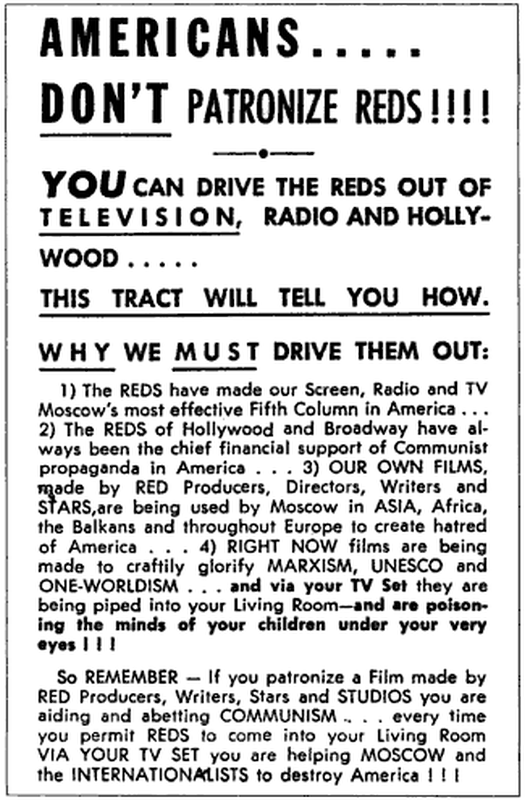
These events ushered in the Second Red Scare, which was characterized by communist witch-hunts and intense paranoia that damaged American society and discredited the USA abroad. Anti-communist investigations during the period 1946 and 1954 were carried out by:
  • HUAC (House Un-American Affairs Committee- made of members of the House of Representatives): 1947-1950
  • Joseph McCarthy (Senator from Wisconsin): 1950-1954
Apart from Cold War events, some of the other causes of the Second Red Scare were:
  • Fear of immigrants (communists were associated with immigrants from Eastern Europe)- communism was used a convenient way of attacking different minority groups
  • Threats to big business and corporate interests from unions or radical political forces
  • Republican motivations to end Democratic control of the White House and Congress by attacking the legacy of Roosevelt's New Deal, which was supported by the Truman administration (Many Republicans associated aspects of the New Deal with socialism or communism)

The era of HUAC (1947-1950)

HUAC really began investigating alleged communists within the Truman administration and American society following a Republican takeover of the House of Representatives and the Senate following the 1946 congressional elections.

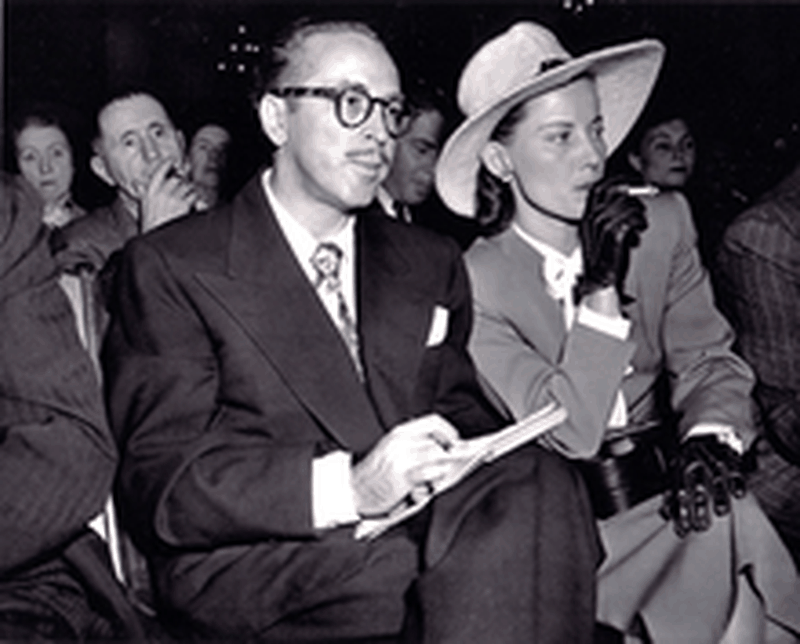
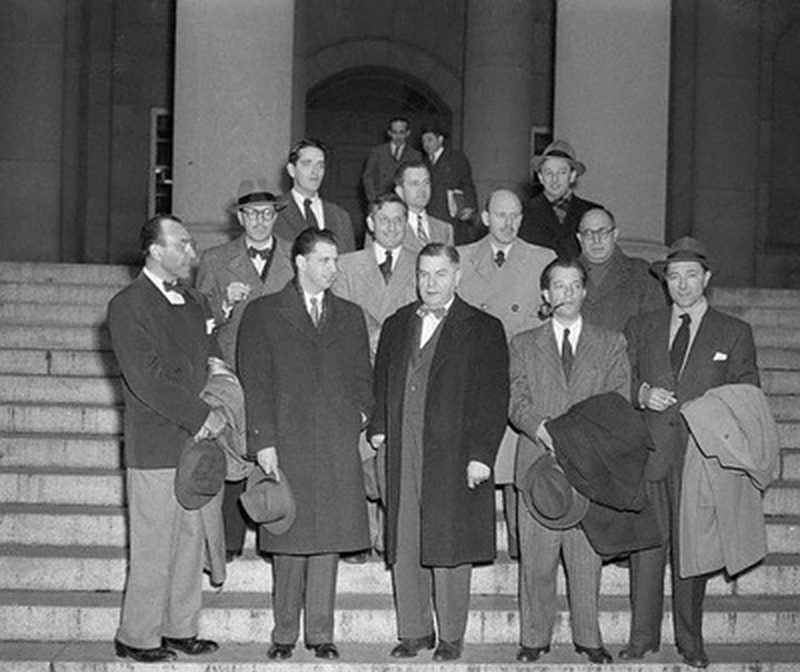
They began by investigating Hollywood- a reliably liberal or left-wing community- and called on many actors, screenwriters, directors and producers from the American film industry to testify before congress. Famous individuals subpoenaed (ordered to give evidence) included Ronald Reagan, Walt Disney and Gary Cooper. Some suspected communists were asked the question: "Are you now or have you ever been a member of the Communist Party?"

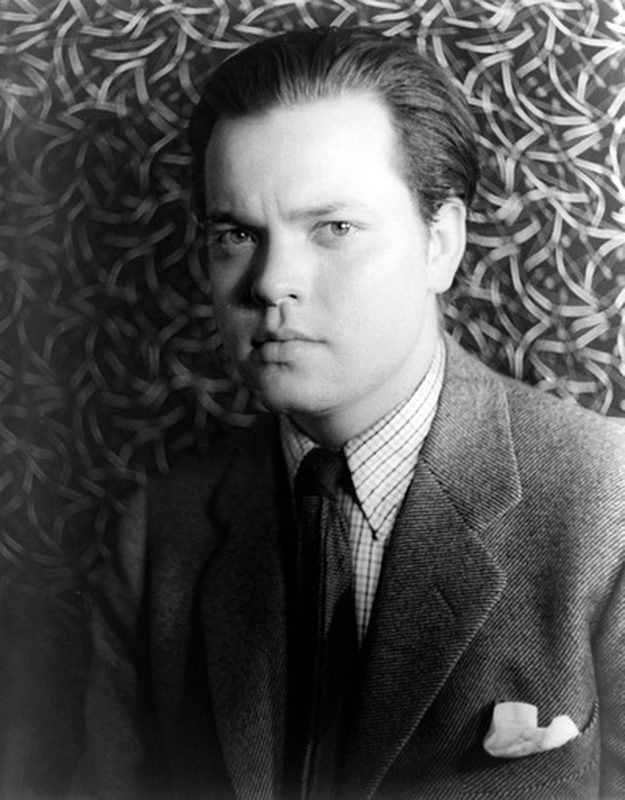
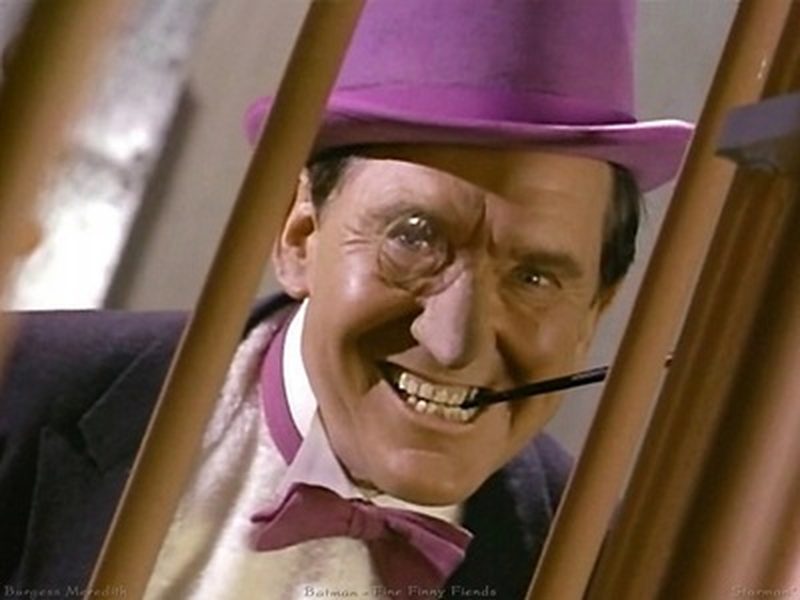
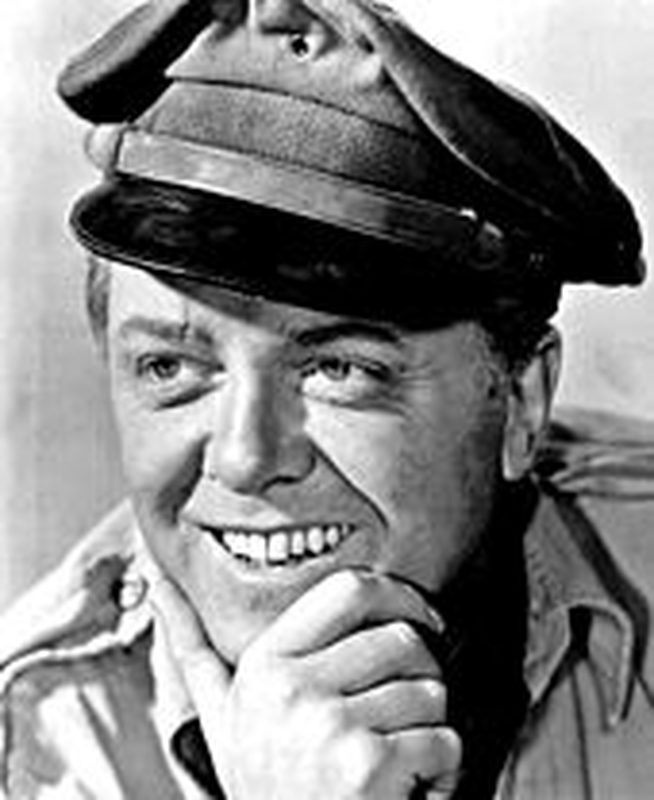
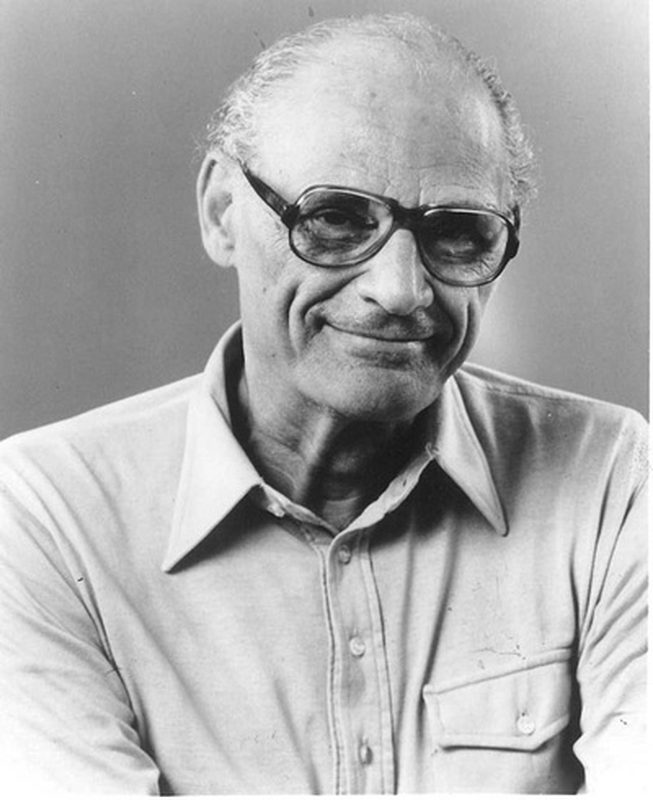
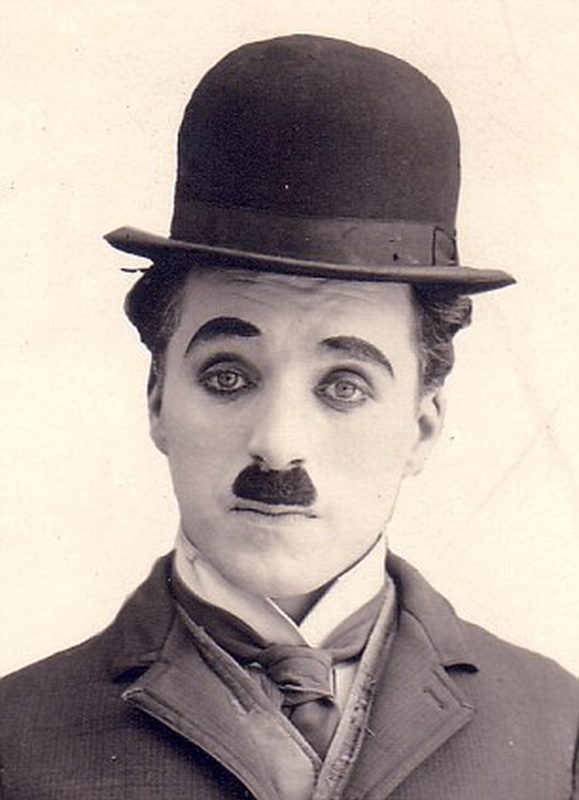
Failure to answer this question or a request to plead protection under the 5th Amendment (which allows individuals to not self-incriminate under oath) was seen as implying guilt. The so-called 'Hollywood Ten' were found in criminal contempt of Congress for refusing to answer questions before HUAC and they, as well as many other members of Hollywood, were blacklisted, meaning they were barred from employment in the entertainment industry. See the gallery (to the right) for pictures of blacklisted individuals.
Hot on heels of the Hollywood hearings was the investigation into Alger Hiss. Former Communist Party member Whittaker Chambers accused Hiss of being a Soviet spy and HUAC responded by launching an investigation. Following the House investigation, unable to charge Hiss with espionage, he was eventually sentenced instead to 15 years in prison for perjury.

In response to attacks on his government from HUAC, Truman launched the Federal Loyalty Program. This was designed to investigate the presence of communists or communist sympathizers in the executive branch of the federal government. The effects of the Federal Loyalty Program were:
  • Mass firings and mass resignations- 200 employees were fired and 2000 more resigned between 1947 and 1951.
  • FBI Director J. Edgar Hoover began to undertake separate investigations into individuals suspected of subversive activities. Hoover's investigations would prove to be particularly intrusive and damaging to those people targeted.

Joseph McCarthy (1950-1954)

The worst excesses of communist paranoia within US society only began when Senator Joseph McCarthy achieved political prominence. McCarthy was a career-focused demagogue (someone who stirs up the fears, prejudices and ignorance of a large part of the population for political gain) from Wisconsin and on New Year's Day 1950 delivered his infamous "Wheeling speech" (so named because the speech was delivered in Wheeling, West Virginia), where he claimed to have a list of 57 Soviet spies working in the US State Department.

His claims of Soviet espionage and sabotage were notoriously inconsistent; over the years the number of people he claimed to be Soviet spies working within the US government variety dramatically.
McCarthy's attacks followed the Soviet Union's development of an atomic bomb and the "fall" of China to Mao's Communist Part in 1949 and were bolstered by the North Korean invasion of South Korea in June 1950.

Such was McCarthy's power (his accusations led to furious and alarming levels of witch-hunt within the federal government and American society) that many Democrats failed to confront him, no matter how absurd his claims were, for fear of being accused of being accused as a communist. For his part, McCarthy used his attacks to ruthlessly increase his power and influence within American society.

One of the sole critics of McCarthy was CBC news anchor Edward R. Murrow. He, along with a few other journalists, committed to hold McCarthy accountable for his vague and outlandish claims that were not supported by solid evidence.

McCarthy's downfall finally arrived in 1954 when he took on the U.S. Army. The Congressional Army-McCarthy hearings were televised and exposed McCarthy as rude, evasive, arrogant and abusive. Finally, U.S. senators felt empowered to criticise McCarthy. Soon after the hearings, the Senate voted to censure him for his conduct during his many investigations.


McCarthy's public image was irreparably damaged and he died 3 years later. While the witch-hunts dwindled after his censure, the fear of communism remained in American society for decades to come.


Powered by
✕