GEORGE H. W. BUSH
Again, we will evaluate his presidency by examining his domestic and foreign policies. Bush is more straight-forward than Reagan, mainly because he only served one term as president.
It is vital to distinguish between George H W Bush and George W Bush. Failure to do so will lose marks because the examiner might think you have mixed the two up. George H W Bush is the father, George W Bush is the son but refer to them as I have.
Domestic Policies- Content
It is vital to distinguish between George H W Bush and George W Bush. Failure to do so will lose marks because the examiner might think you have mixed the two up. George H W Bush is the father, George W Bush is the son but refer to them as I have.
Domestic Policies- Content
- Economic Problems- Deficit, Savings and Loans Bailout (FIRREA) and Recession
- Omnibus Budget Act of 1990
- Americans with Disabilities Act (1990)
- Veto of other civil rights bills
- Exxon Valdez disaster
- Clean Air Act (1990)
- Education 2000
Bush was noticeably less conservative and more moderate than Reagan and this proved to be his undoing. Ultimately, he lost the election of 1992 to Bill Clinton because he failed to hold Reagan's conservative coalition together. A key factor in this was his 1988 election campaign promise to not raise taxes and then his subsequent Omnibus Budget Act which did raise taxes. Although economically this was a responsible way to deal with the deficit left to him by Reagan, he broke an important campaign promise and alienated 'small' government supporters. He also failed to keep hold of socially conservative evangelical voters who Reagan had won over.
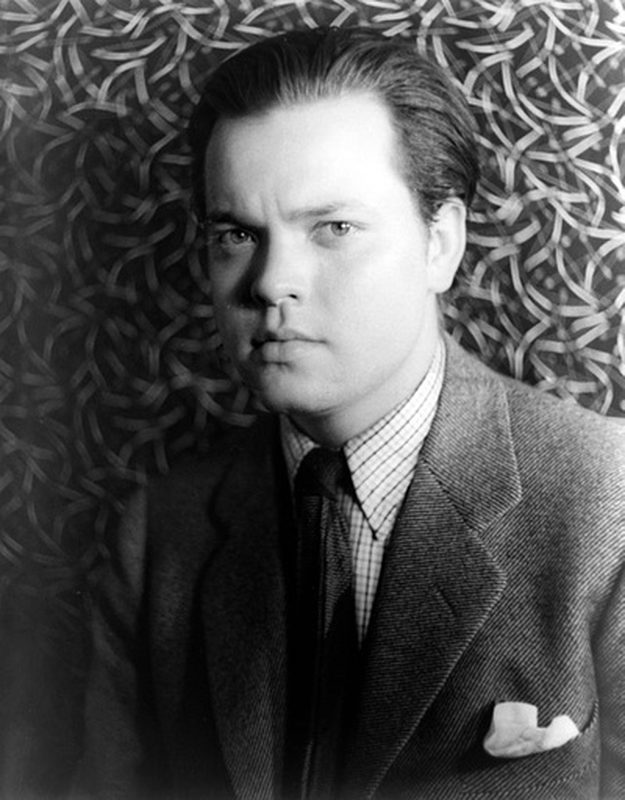
In terms of civil rights, he tried to demonstrate his conservative credentials by vetoing 3 bills but did pass the Americans with Disabilities Act. He was a lot more comfortable with environmental regulation than Reagan and spearheaded a strong response to the Exxon Valdez disaster. He also raised the profile of education policy. Ultimately, Bush's presidency all point to a more moderate Republican than Reagan. Although fiscally conservative, he was more socially liberal and while Reagan tried but failed to reduce the size of government, Bush made little attempt to do so. He was not helped by poor economic performance either, arguably a legacy of the Reagan years.
He admitted that he had no strong vision or desire to legislate domestically and was clearly more comfortable in foreign policy.
He admitted that he had no strong vision or desire to legislate domestically and was clearly more comfortable in foreign policy.

| bush_domestic_policies.pdf |
Foreign Policy- content
The bulk of Bush's government experience prior to being elected Vice President under Reagan was in foreign affairs- he was the US ambassador to the UN, CIA director and US envoy to China. However, despite all his experience, he was taken by surprise by the events of 1989. He tried to create a post- Cold War 'new world order' but failed (similar to Wilson in 1919) due to competing national interests. He did agree to reduce nuclear arsenals with the (then) USSR with START but failed to negotiate peace over the rapidly deteriorating Yugoslavia. The civil wars in Yugoslavia lasted for much of the 1990's. He was also criticized by liberals for not condemning China's human rights abuses during the Tiananmen Square protests.
In Latin America, he continued Reagan's policies in El Salvador and Nicaragua. In Nicaragua, the Sandinistas lost an election in 1990 and handed over power peacefully to US-backed opposition groups. Bush successfully captured Panamanian president Manuel Noriega and had him tried on charges of cocaine trafficking in the US while ignoring conservative calls to renege on the Panama Canal Treaty signed under Jimmy Carter. His invasion was seen as quick, firm and decisive and won him much credit in the US, but was condemned by the UN and OAS as illegal.
The biggest success during his presidency was the Gulf War of 1991. Once Iraq invaded Kuwait, he was able to use all his diplomatic skills and experience to create an International Coalition who, authorized by a UN resolution, liberated Kuwait. Bush abided faithfully by the terms of the resolution and did not remove Saddam from power. Hoping he might be removed internally, the Bush administration appeared to encourage a Kurdish revolt but did not support it as promised and once Saddam defeated the Kurds, he was unsurprisingly harsh in dealing with the perpetrators. For this action, Bush did receive criticism. Many conservatives felt he had not gone far enough and this unfinished business directly led to the Iraq War in 2003.
Despite the many foreign policy successors, Bush's Achilles Heal was the economy. It is also an example of how important luck is in the evaluation of success or failure of presidents. Like everyone else, they too are subject to external forces beyond their control.
- El Salvador
- Nicaragua
- Panama
- End of the Cold War and the collapse of the USSR
- Tiananmen Square
- START
- Yugoslavia
- Somalia
- Gulf War
The bulk of Bush's government experience prior to being elected Vice President under Reagan was in foreign affairs- he was the US ambassador to the UN, CIA director and US envoy to China. However, despite all his experience, he was taken by surprise by the events of 1989. He tried to create a post- Cold War 'new world order' but failed (similar to Wilson in 1919) due to competing national interests. He did agree to reduce nuclear arsenals with the (then) USSR with START but failed to negotiate peace over the rapidly deteriorating Yugoslavia. The civil wars in Yugoslavia lasted for much of the 1990's. He was also criticized by liberals for not condemning China's human rights abuses during the Tiananmen Square protests.
In Latin America, he continued Reagan's policies in El Salvador and Nicaragua. In Nicaragua, the Sandinistas lost an election in 1990 and handed over power peacefully to US-backed opposition groups. Bush successfully captured Panamanian president Manuel Noriega and had him tried on charges of cocaine trafficking in the US while ignoring conservative calls to renege on the Panama Canal Treaty signed under Jimmy Carter. His invasion was seen as quick, firm and decisive and won him much credit in the US, but was condemned by the UN and OAS as illegal.
The biggest success during his presidency was the Gulf War of 1991. Once Iraq invaded Kuwait, he was able to use all his diplomatic skills and experience to create an International Coalition who, authorized by a UN resolution, liberated Kuwait. Bush abided faithfully by the terms of the resolution and did not remove Saddam from power. Hoping he might be removed internally, the Bush administration appeared to encourage a Kurdish revolt but did not support it as promised and once Saddam defeated the Kurds, he was unsurprisingly harsh in dealing with the perpetrators. For this action, Bush did receive criticism. Many conservatives felt he had not gone far enough and this unfinished business directly led to the Iraq War in 2003.
Despite the many foreign policy successors, Bush's Achilles Heal was the economy. It is also an example of how important luck is in the evaluation of success or failure of presidents. Like everyone else, they too are subject to external forces beyond their control.
| bush_foreign_policy.pdf |