THE COURSE AND PRACTICES OF THE CHINESE CIVIL WAR
The
Course of the Chinese Civil War (1927-37)
The White Terror
Concerned about the popular support for the CCP among the workers in Shanghai, Jiang authorized a series of attacks on CCP headquarters by a criminal organization known as the Green Gang in 1927. Estimates on the number of deaths vary from 400-5000 but the CCP organization in Shanghai was devastated. The Communists responded by attacking the GMD in Hunan province and Canton but were easily defeated. Following these defeats, CCP members retreated to the countryside in 1928 and formed a new base at Jiangxi, known as the Jiangxi Soviet.
The Long March
Between 1930 and 1934, the GMD repeatedly tried to destroy the CCP for good at Jiangxi. These attacks were known as encirclement campaigns and involved the GMD troops surrounding Communist rural bases, cutting off their supply lines before subjecting them to a series of artillery and infantry assaults. The first four encirclement campaigns were defensive victories for the CCP but had resulted in their weakening as the Communists could not break completely out of their encirclement and were running short of supplies.
However, the fifth encirclement campaign was a success for the GMD as they managed to successfully capture Jiangxi between September 1933 and October 1934. Their success was due to Jiang's decision to commit half a million troops which decreased the size and frequency of the CCP's attempts to break out and divide GMD troops. The decision by the CCP leadership, heavily influenced by their Soviet advisors, to engage the GMD in a conventional battle at Guangchang only compounded the situation. It was clear that the CCP had to evacuate Jiangxi
They did so in October 1934. Approximately 90,000 Communists, with the GMD in hot pursuit, marched 9000 km, through 11 provinces, over 18 mountain ranges and across 24 rivers until they reached Yanan province in northern China. Only 20,000 survived. Although the CCP tried to avoid fight the GMD, they did so at the Battle of Luding Bridge. The battle has gone down in CCP folklore as they claimed that they overcame superior opponents with skill and courage. However, eyewitness accounts deny the battle ever took place, What is important about the Long March, apart from how it has been used for propaganda purposes by the CCP, was how Mao was able to finally wrestle leadership of the CCP away from the 28 Bolsheviks. This happened at a strategy meeting at Zunyi and Mao was finally able to convince the party that a successful revolution in China had to be based on the peasants and not workers. He also argued that the CCP use guerilla warfare.
The White Terror
Concerned about the popular support for the CCP among the workers in Shanghai, Jiang authorized a series of attacks on CCP headquarters by a criminal organization known as the Green Gang in 1927. Estimates on the number of deaths vary from 400-5000 but the CCP organization in Shanghai was devastated. The Communists responded by attacking the GMD in Hunan province and Canton but were easily defeated. Following these defeats, CCP members retreated to the countryside in 1928 and formed a new base at Jiangxi, known as the Jiangxi Soviet.
The Long March
Between 1930 and 1934, the GMD repeatedly tried to destroy the CCP for good at Jiangxi. These attacks were known as encirclement campaigns and involved the GMD troops surrounding Communist rural bases, cutting off their supply lines before subjecting them to a series of artillery and infantry assaults. The first four encirclement campaigns were defensive victories for the CCP but had resulted in their weakening as the Communists could not break completely out of their encirclement and were running short of supplies.
However, the fifth encirclement campaign was a success for the GMD as they managed to successfully capture Jiangxi between September 1933 and October 1934. Their success was due to Jiang's decision to commit half a million troops which decreased the size and frequency of the CCP's attempts to break out and divide GMD troops. The decision by the CCP leadership, heavily influenced by their Soviet advisors, to engage the GMD in a conventional battle at Guangchang only compounded the situation. It was clear that the CCP had to evacuate Jiangxi
They did so in October 1934. Approximately 90,000 Communists, with the GMD in hot pursuit, marched 9000 km, through 11 provinces, over 18 mountain ranges and across 24 rivers until they reached Yanan province in northern China. Only 20,000 survived. Although the CCP tried to avoid fight the GMD, they did so at the Battle of Luding Bridge. The battle has gone down in CCP folklore as they claimed that they overcame superior opponents with skill and courage. However, eyewitness accounts deny the battle ever took place, What is important about the Long March, apart from how it has been used for propaganda purposes by the CCP, was how Mao was able to finally wrestle leadership of the CCP away from the 28 Bolsheviks. This happened at a strategy meeting at Zunyi and Mao was finally able to convince the party that a successful revolution in China had to be based on the peasants and not workers. He also argued that the CCP use guerilla warfare.
|
|
The Nanjing Decade
This is the period of Nationalist rule between 1927 and 1937 and is considered the first part of the Chinese Civil War. Although there was political and economic progress, the Nanjing Decade was also in ultimately weakening the authority and reputation of the GMD and Jiang Jieshi. Politically, the Nationalists manage to unite the country and significantly decrease the power of the regional warlords through a combination of subjugation and negotiation, while simultaneously reducing the amount of foreign influence. As a result, the most densely populated and economically prosperous parts of China were under the authoritarian control of the Nationalists. To ensure stability and order, Jiang appointed fellow military officers to important positions in government, many of whom graduated from the Whampoa Military Academy. A secret police was also in operation and were used to spy on, arrest, interrogate and punish political opponents without trial.
The Nanjing Decade also saw strong economic growth- the average GDP growth per year was 9%. To visibly demonstrate this growth, there was significant investment in modernized infrastructure, such as railways and even commercial airlines. Additionally, foreign investment was actively encouraged, which also contribute to Western cultural trends being introduced in urban areas.
However, for all their supposed progress, the Nationalists made crucial mistakes and failed to address fundamental weaknesses in the young republic. For example, their control of the country at the expense of regional warlords was partly a result of negotiations (in which the warlords were granted substantial concessions in exchange for their cooperation) rather than outright military victory. Therefore, as far as many peasants were concerned, there had been little change. In fact, one of the biggest failings of the Nationalist government was to legislate in favour of the urban elite rather than the peasantry, who still made up the majority of the population. This weakness would be ruthlessly exploited by the CCP. Furthermore, the failure of the Nationalists to install more elements of democracy damaged their support base in the cities, many of whom were educated, middle class intellectuals. When these factors are considered in combination with the heavy taxation levied (especially in major cities) by the Jiang government and his nepotism (he also appointed close family members to key government positions), it is easy to appreciate the scale of the political blunders made by the Nationalists.
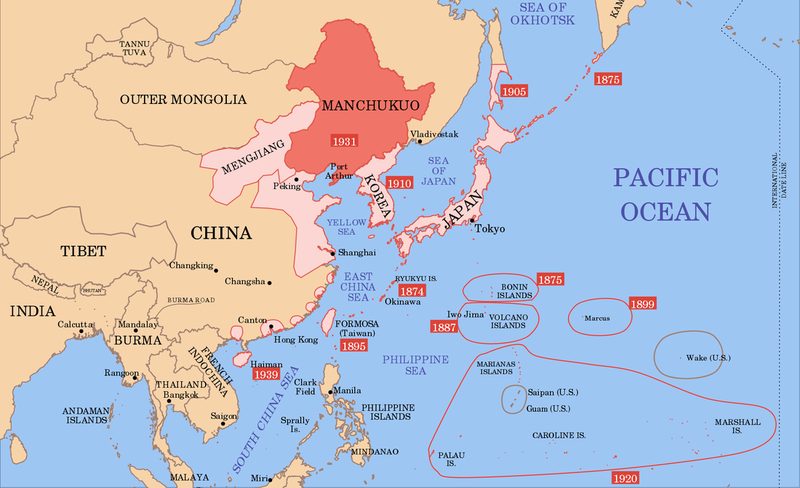
However, the biggest mistakes were arguably the response to the Japanese invasion of Manchuria and the continued attempts to eliminate the CCP. When the Japanese client state of Manchukuo was declared in 1932, their legitimacy was not challenged by Jiang. In fairness to the Nationalist government, China had been largely abandoned by the inadequate response of the League of Nations and were rightly concerned about the superior military strength of the Japanese military. However, the public perception of the Nationalist strategy to dealing with Japanese action was damning. Jiang decided upon a strategy of granting concessions to the Japanese in the short-term, therefore enabling an element of expansion, in the hope that eventually they would not be able to keep hold of large amounts of territory because of overstretched supply lines. Once weakened, the Chinese army would be able to inflict heavy defeats on the Japanese.
While this strategy had strong merits, the image it conveyed to the Chinese people was one of weakness and incompetence. This perceived reluctance to challenge Japanese aggression was compounded by his attempts to ruthlessly pursue and crush the CCP- he had essentially prioritised the elimination of fellow Chinese over a fellow invader. By 1935, their were numerous protests against the nationalist strategy (known as the 9th December movement), culminating in the Xi'an incident in 1936. This was a mini-rebellion against the Nationalists and happened when a regional warlord in Manchuria (Zhang Xueliang) refused to follow orders to attack the CCP base in Yanan and instead attacked Jiang's troops at Xi'an. Jiang was taken captive and only released when he agreed to form a Second United Front with the CCP against the Japanese.
This was a huge blow to Nationalist prestige. When given the chance to rule, for all the advances made, Jiang's government had proven to be unpopular with large sections of the population, corrupt and unable to deliver the promises that Sun Yatsen had made when the GMD was established. These shortcomings are crucial in explaining their eventual defeat.
This is the period of Nationalist rule between 1927 and 1937 and is considered the first part of the Chinese Civil War. Although there was political and economic progress, the Nanjing Decade was also in ultimately weakening the authority and reputation of the GMD and Jiang Jieshi. Politically, the Nationalists manage to unite the country and significantly decrease the power of the regional warlords through a combination of subjugation and negotiation, while simultaneously reducing the amount of foreign influence. As a result, the most densely populated and economically prosperous parts of China were under the authoritarian control of the Nationalists. To ensure stability and order, Jiang appointed fellow military officers to important positions in government, many of whom graduated from the Whampoa Military Academy. A secret police was also in operation and were used to spy on, arrest, interrogate and punish political opponents without trial.
The Nanjing Decade also saw strong economic growth- the average GDP growth per year was 9%. To visibly demonstrate this growth, there was significant investment in modernized infrastructure, such as railways and even commercial airlines. Additionally, foreign investment was actively encouraged, which also contribute to Western cultural trends being introduced in urban areas.
However, for all their supposed progress, the Nationalists made crucial mistakes and failed to address fundamental weaknesses in the young republic. For example, their control of the country at the expense of regional warlords was partly a result of negotiations (in which the warlords were granted substantial concessions in exchange for their cooperation) rather than outright military victory. Therefore, as far as many peasants were concerned, there had been little change. In fact, one of the biggest failings of the Nationalist government was to legislate in favour of the urban elite rather than the peasantry, who still made up the majority of the population. This weakness would be ruthlessly exploited by the CCP. Furthermore, the failure of the Nationalists to install more elements of democracy damaged their support base in the cities, many of whom were educated, middle class intellectuals. When these factors are considered in combination with the heavy taxation levied (especially in major cities) by the Jiang government and his nepotism (he also appointed close family members to key government positions), it is easy to appreciate the scale of the political blunders made by the Nationalists.
However, the biggest mistakes were arguably the response to the Japanese invasion of Manchuria and the continued attempts to eliminate the CCP. When the Japanese client state of Manchukuo was declared in 1932, their legitimacy was not challenged by Jiang. In fairness to the Nationalist government, China had been largely abandoned by the inadequate response of the League of Nations and were rightly concerned about the superior military strength of the Japanese military. However, the public perception of the Nationalist strategy to dealing with Japanese action was damning. Jiang decided upon a strategy of granting concessions to the Japanese in the short-term, therefore enabling an element of expansion, in the hope that eventually they would not be able to keep hold of large amounts of territory because of overstretched supply lines. Once weakened, the Chinese army would be able to inflict heavy defeats on the Japanese.
While this strategy had strong merits, the image it conveyed to the Chinese people was one of weakness and incompetence. This perceived reluctance to challenge Japanese aggression was compounded by his attempts to ruthlessly pursue and crush the CCP- he had essentially prioritised the elimination of fellow Chinese over a fellow invader. By 1935, their were numerous protests against the nationalist strategy (known as the 9th December movement), culminating in the Xi'an incident in 1936. This was a mini-rebellion against the Nationalists and happened when a regional warlord in Manchuria (Zhang Xueliang) refused to follow orders to attack the CCP base in Yanan and instead attacked Jiang's troops at Xi'an. Jiang was taken captive and only released when he agreed to form a Second United Front with the CCP against the Japanese.
This was a huge blow to Nationalist prestige. When given the chance to rule, for all the advances made, Jiang's government had proven to be unpopular with large sections of the population, corrupt and unable to deliver the promises that Sun Yatsen had made when the GMD was established. These shortcomings are crucial in explaining their eventual defeat.
CCP strategy at Yanan
In the meantime, the CCP, now firmly under the leadership of Mao Zedong, mainly focussed on survival. They had established a solid rural base at Yanan and set about enacting policies that made them popular with the peasantry. Chief among these were land redistribution and persecution of landlords. Additionally, they opposed traditional customs such as arranged marriage and foot binding, the abolition of which elevate the role of women. Mao insisted on strict discipline among the Red Army troops, understanding that their behaviour was an important tool in promoting the Communist cause, and ordered the courteous and respectful cultivation of relations with local populations. However, it should be noted that the CCP did also use terror to achieve their goals- their main victims being landlords- and this created a culture of fear that produced compliance. Absolute adherence to Maoist doctrine was demanded and persecution of dissidents was particularly rife during the Rectification Campaigns of 1942-4 (a precursor to the later Hundred Flowers Campaign and the Cultural Revolution).
Many young idealist young recruits flocked to Yanan to join the CCP, seduced by the ideology and discipline of the CCP, combined with the propaganda myths of the Long March and stories of Communist leaders living simply in the countryside. The last point, while true for rank-and-file members of the CCP, did not apply to Mao and other leaders- they often lived in mansions deserted by wealthy Yanan residents.
In combination with basing their ideology around the peasantry, the CCP also embraced Guerilla warfare. This strategy was best summed up by Mao when he said: "when the enemy advances, withdraw; when he stops, harass; when he tires, strike; when he retreats, pursue."
In the meantime, the CCP, now firmly under the leadership of Mao Zedong, mainly focussed on survival. They had established a solid rural base at Yanan and set about enacting policies that made them popular with the peasantry. Chief among these were land redistribution and persecution of landlords. Additionally, they opposed traditional customs such as arranged marriage and foot binding, the abolition of which elevate the role of women. Mao insisted on strict discipline among the Red Army troops, understanding that their behaviour was an important tool in promoting the Communist cause, and ordered the courteous and respectful cultivation of relations with local populations. However, it should be noted that the CCP did also use terror to achieve their goals- their main victims being landlords- and this created a culture of fear that produced compliance. Absolute adherence to Maoist doctrine was demanded and persecution of dissidents was particularly rife during the Rectification Campaigns of 1942-4 (a precursor to the later Hundred Flowers Campaign and the Cultural Revolution).
Many young idealist young recruits flocked to Yanan to join the CCP, seduced by the ideology and discipline of the CCP, combined with the propaganda myths of the Long March and stories of Communist leaders living simply in the countryside. The last point, while true for rank-and-file members of the CCP, did not apply to Mao and other leaders- they often lived in mansions deserted by wealthy Yanan residents.
In combination with basing their ideology around the peasantry, the CCP also embraced Guerilla warfare. This strategy was best summed up by Mao when he said: "when the enemy advances, withdraw; when he stops, harass; when he tires, strike; when he retreats, pursue."