RONALD REAGAN
We will examine his presidency by evaluating both his domestic and foreign policies.
Domestic Policies-Content
The main focus of Reagan's domestic policies is economic. To satisfactorily answer a question on Reagan's domestic policies, you need to have a good grasp of "Reaganomics", which is a combination of Supply-Side Economics and Monetarism.
To evaluate the success of "Reaganomics", you should be aware of GDP and Employment data, especially between 1981 and 1984. Also remember this has become a more contentious issue after the Credit Crunch of 2008. Often, it is difficult to evaluate economic policies in the immediate aftermath of a presidential term and the impact of these policies are not felt until the next president is in office. Therefore, a look at the US economic performance under George H. W. Bush is necessary.
Domestic Policies-Content
- "Reaganomics"- Supply-Side Economics + Monetarism
- Economic performance
- Social Security Reform
- PATCO Strike
- Deregulation
- Montreal Protocol (1987)
- War on Drugs- introduced mandatory minimum sentences which led to increase in arrests and incarcerations for drug offenses
- Placing first woman on the Supreme Court
- Response to AIDS
- Opposition to the renewal of Voting Rights Act
The main focus of Reagan's domestic policies is economic. To satisfactorily answer a question on Reagan's domestic policies, you need to have a good grasp of "Reaganomics", which is a combination of Supply-Side Economics and Monetarism.
To evaluate the success of "Reaganomics", you should be aware of GDP and Employment data, especially between 1981 and 1984. Also remember this has become a more contentious issue after the Credit Crunch of 2008. Often, it is difficult to evaluate economic policies in the immediate aftermath of a presidential term and the impact of these policies are not felt until the next president is in office. Therefore, a look at the US economic performance under George H. W. Bush is necessary.

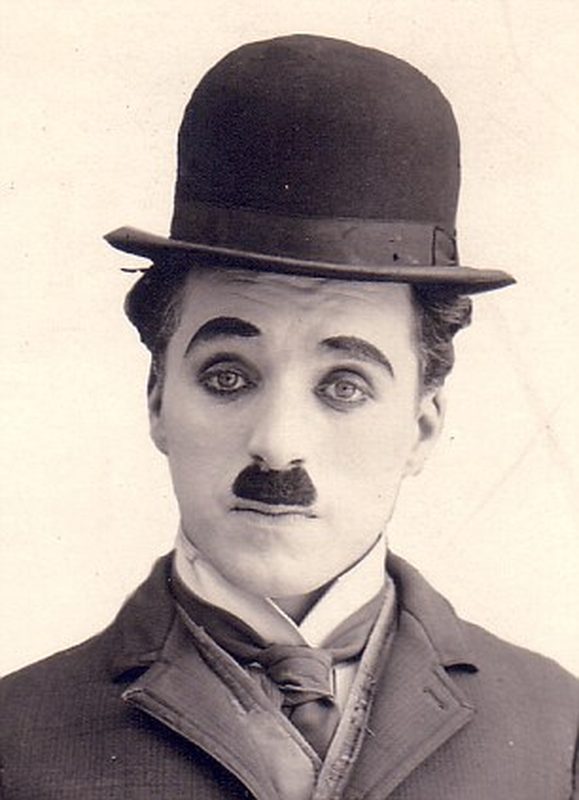
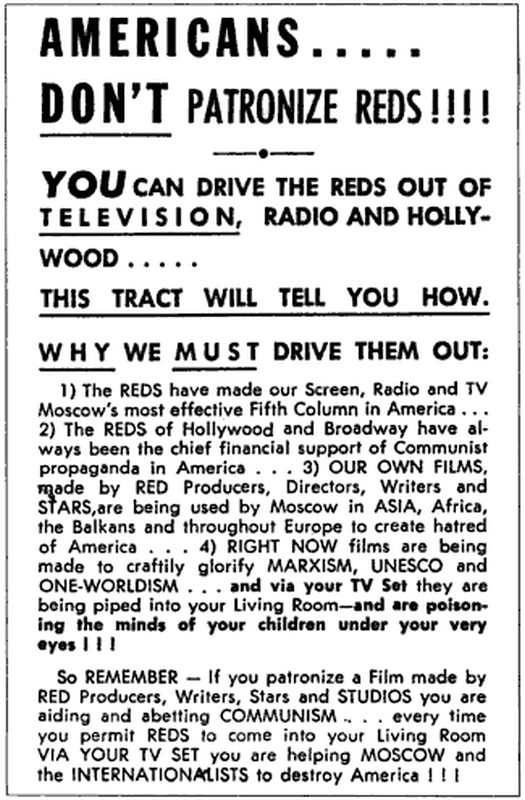
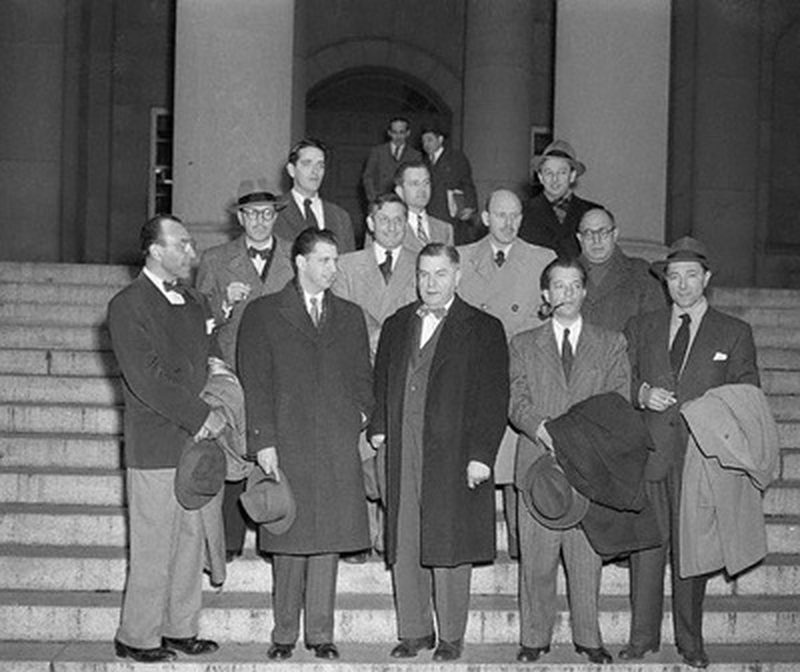
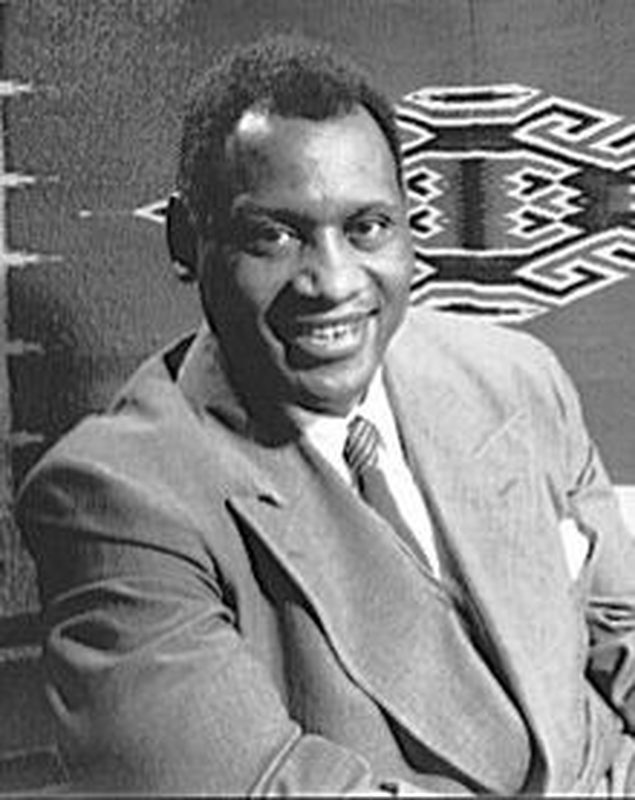
It is also important to study Reagan in the context of 20th Century American politics. Reagan was a New Deal Democrat and as the President of the Screen Actors' Guild was heavily involved in the McCarthy era. In fact, towards the end of McCarthy era, it is clear that Reagan's anti-Communism was a more important principle that his liberalism. When Reagan registered as a Republican, he was among a growing number of Americans who had become disillusioned with the Democratic Party and became a leader in the conservative movement. This movement was determined to destroy the New Deal's legacy. Therefore in the modern era, to identify as a Republican (conservative) was to identify with the idea of "small government". Reagan played a major role in creating this identity but, as has been noted by many historians, although he lowered taxes nationally, the net results of his presidency were a much-increased deficit and a failure to decrease the size of government.

| ronald_reagan_key_events.docx |
| does_reagan_deserve_his_reputation.docx |
The video on the left is from the movie 'Wall Street' (directed by Oliver Stone in 1987). Gordon Gekko is a fictional character and was designed to be the embodiment of what Stone perceived to be the Reagan era's greed and excess. If you listen to Gekko's speech, he espouses many of the political and economic values of the Reagan administration. Ironically, despite the intentions of Stone and Michael Douglas (the actor who plays Gekko), the character became an inspiration for many future stockbrokers and investment bankers.
|
|
|
Foreign Policies
The main focus on any question concerning Reagan's foreign policies will be his role in ending the Cold War, although it is important not to overlook non-Cold War events (especially Iran-Contra). Non-Cold War events are complicated, mainly because it requires an understanding of the context of the Lebanese Civil War, the impact of the Islamic Revolution and the Arab-Israeli wars. As you can imagine, the historical context behind the decision to intervene in the Lebanon in 1982 was especially complex and the US failure to fully appreciate this led to a muddled Middle Eastern policy under Reagan. In fact, the West's failure to understand the Middle East has continued to cause problems in the region to this day.
REAGAN AND THE COLD WAR
In his first term, Reagan was especially 'hawkish', almost dangerously so. He promised 'peace through strength', believing that the Islamic Revolution in Iran and the Soviet invasion of Afghanistan were brought about because the Carter Administration had been weak on foreign policy. He ordered a massive arms build-up (recalling the belief in American Exceptionalism) and labeled the Soviet Union 'the Evil Empire'. 1983 was a particularly tense year and the world appeared to be close to out-all nuclear war again, especially after the announcement of Strategic Defense Initiative and in the aftermath of the shooting down of Korean Airlines flight 007 and the 'Able Archer' exercises.
In his second term, Reagan was noticeably less 'hawkish'- maybe even 'dovish'. The key event in this foreign policy shift towards the Soviet Union was the appointment of Mikhail Gorbachev as General Secretary in the USSR. Gorbachev was, in the words of Margaret Thatcher, 'a man [the West] could do business with.' He agreed to nuclear weapon reductions at Reykjavik in 1986, Washington D.C. in 1987 and Moscow in 1988. While walking through the Red Square during the last summit, Reagan renounced his 'Evil Empire' accusations of the Soviet Union, saying 'I was talking of another time, another era.'
It is fair to say that the Reagan-Gorbachev relationship was mutually co-operative as they helped each other to appear statesman-like. However, it is difficult to argue that Reagan was responsible for winning the Cold War. He was no tougher on Communism than Truman or Eisenhower, nor did he attempt anything drastically different from any of his predecessors. The massive arms build-up in the early '80's certainly heaped more economic pressure on the USSR at a time when its economy was in crisis but the crucial factor in ending the Cold War was Gorbachev, a leader who genuinely wanted to reform the Soviet Union.
GRENADA, NICARAGUA AND EL SALVADOR
- First Term 'Hawkish" policies
- SDI
- Korean Airline Flight 007
- 'Able Archer' Exercises
- Relationship with Gorbachev
- Reykjavik Conference (1986)
- Nicaragua
- El Salvador
- Grenada
- Lebanon
- Iran-Contra Affair
The main focus on any question concerning Reagan's foreign policies will be his role in ending the Cold War, although it is important not to overlook non-Cold War events (especially Iran-Contra). Non-Cold War events are complicated, mainly because it requires an understanding of the context of the Lebanese Civil War, the impact of the Islamic Revolution and the Arab-Israeli wars. As you can imagine, the historical context behind the decision to intervene in the Lebanon in 1982 was especially complex and the US failure to fully appreciate this led to a muddled Middle Eastern policy under Reagan. In fact, the West's failure to understand the Middle East has continued to cause problems in the region to this day.
REAGAN AND THE COLD WAR
In his first term, Reagan was especially 'hawkish', almost dangerously so. He promised 'peace through strength', believing that the Islamic Revolution in Iran and the Soviet invasion of Afghanistan were brought about because the Carter Administration had been weak on foreign policy. He ordered a massive arms build-up (recalling the belief in American Exceptionalism) and labeled the Soviet Union 'the Evil Empire'. 1983 was a particularly tense year and the world appeared to be close to out-all nuclear war again, especially after the announcement of Strategic Defense Initiative and in the aftermath of the shooting down of Korean Airlines flight 007 and the 'Able Archer' exercises.
In his second term, Reagan was noticeably less 'hawkish'- maybe even 'dovish'. The key event in this foreign policy shift towards the Soviet Union was the appointment of Mikhail Gorbachev as General Secretary in the USSR. Gorbachev was, in the words of Margaret Thatcher, 'a man [the West] could do business with.' He agreed to nuclear weapon reductions at Reykjavik in 1986, Washington D.C. in 1987 and Moscow in 1988. While walking through the Red Square during the last summit, Reagan renounced his 'Evil Empire' accusations of the Soviet Union, saying 'I was talking of another time, another era.'
It is fair to say that the Reagan-Gorbachev relationship was mutually co-operative as they helped each other to appear statesman-like. However, it is difficult to argue that Reagan was responsible for winning the Cold War. He was no tougher on Communism than Truman or Eisenhower, nor did he attempt anything drastically different from any of his predecessors. The massive arms build-up in the early '80's certainly heaped more economic pressure on the USSR at a time when its economy was in crisis but the crucial factor in ending the Cold War was Gorbachev, a leader who genuinely wanted to reform the Soviet Union.
GRENADA, NICARAGUA AND EL SALVADOR
Although technically part of the Cold War, Reagan's interventions in Latin America did not involve the USSR, but he considered the containment of communism in America's 'back yard' as vital. He invaded the tiny island nation of Grenada (pop.: 90,000) in 1983 following an internal coup within the ruling left-wing government. Prior to the coup, Grenada had been ruled by the Marxist government of Maurice Bishop who had links with Cuba. In fact, the Bishop government was attempting to build a new airport runway with Cuban assistance. Citing the need to protect US citizens on the island (there were some US medical students) and the desire of former British Caribbean colonies to intervene, Operation Urgent Fury was completed within 3 days. It was a quick and decisive victory which was welcomed after years of perceived US military decline.
The Reagan government also offered financial and military aid to the Contra rebels in Nicaragua and the Duarte regime in El Salvador, both of whom had human rights violations. The Contras were fighting Daniel Ortega's Sandinista government who swept to power in 1979 following the removal of the brutal Somoza regime (who had been supported by Lyndon Johnson and had been in power since 1936). In 1984, the Boland Amendment forbade the USA from continuing to supply the Contras as a result of concerns over their human rights record. This would ultimately lead to the Iran-Contra scandal.
In El Salvador, the Duarte regime faced violent opposition from the left-wing (and Cuban supported) group FMLN. The US attempted a two-pronged strategy: to supply economic and military aid to the Duarte government while simultaneously attempting to rehabilitate their human rights record. Although human rights issues remained, there was no serious threat from the FMLN and other left-wing groups after 1980, largely because right-wing death squads had eliminated much of the opposition to the Duarte regime during the late 1970's and Reagan's first term in office.
LEBANON
Finally, Reagan sent US troops as peace keepers to Lebanon in 1982 following the Israeli invasion of southern Lebanon during the Lebanese Civil War. This was a non-Cold War conflict (although, as with any conflict during the Cold War era, Cold War policies were present) and really formed part of the Arab-Israeli conflicts.
The Reagan government also offered financial and military aid to the Contra rebels in Nicaragua and the Duarte regime in El Salvador, both of whom had human rights violations. The Contras were fighting Daniel Ortega's Sandinista government who swept to power in 1979 following the removal of the brutal Somoza regime (who had been supported by Lyndon Johnson and had been in power since 1936). In 1984, the Boland Amendment forbade the USA from continuing to supply the Contras as a result of concerns over their human rights record. This would ultimately lead to the Iran-Contra scandal.
In El Salvador, the Duarte regime faced violent opposition from the left-wing (and Cuban supported) group FMLN. The US attempted a two-pronged strategy: to supply economic and military aid to the Duarte government while simultaneously attempting to rehabilitate their human rights record. Although human rights issues remained, there was no serious threat from the FMLN and other left-wing groups after 1980, largely because right-wing death squads had eliminated much of the opposition to the Duarte regime during the late 1970's and Reagan's first term in office.
LEBANON
Finally, Reagan sent US troops as peace keepers to Lebanon in 1982 following the Israeli invasion of southern Lebanon during the Lebanese Civil War. This was a non-Cold War conflict (although, as with any conflict during the Cold War era, Cold War policies were present) and really formed part of the Arab-Israeli conflicts.

To adequately understand what is a very complicated conflict, it is important to know the context of the Middle East and Lebanon at this time. Israel had been in existence, and an enemy of the Arab world, since 1948. Many Palestinians had been displaced during the creation of Israel and lived in refugee camps in Jordan. After the failure of Arab coalition to defeat Israel in 1967, the Palestinian Liberation Organization (PLO) was formed. Denounced as terrorists by the Israelis, they were freedom fighters and heroes throughout the Arab world.
1979 was a key year in Middle Eastern history. The Islamic Revolution in Iran had created political Islam and a range of Islamic insurgency (or terrorist, dependent upon perspective) groups were about to come into existence. It also transformed the Arab-Israeli conflict and provided it with a religious dimension. The 1967 6 Day War (see above) marked the beginning of the decline of secularism in the Middle East and this reached a climax in 1979. The PLO were joined in their struggle against Israel by Hamas (Sunni) and Hezbollah (Shia), both religious insurgency groups. Hezbollah was especially active in Lebanon and were supported by Iran, who were anxious to protect their revolution.
Lebanon is, still to this day, a melting pot of religions and as a result, is often a breeding ground for religious conflicts. Lebanon is home to four different religious groups- Christian, Sunni Muslims, Shia Muslims and Druze. In the late '70's, the migration of PLO militants to Lebanon caused the start of the Lebanese Civil War, which involved all these factions and Syria. Southern Lebanon became a base for the PLO to attack Israel.
1979 was a key year in Middle Eastern history. The Islamic Revolution in Iran had created political Islam and a range of Islamic insurgency (or terrorist, dependent upon perspective) groups were about to come into existence. It also transformed the Arab-Israeli conflict and provided it with a religious dimension. The 1967 6 Day War (see above) marked the beginning of the decline of secularism in the Middle East and this reached a climax in 1979. The PLO were joined in their struggle against Israel by Hamas (Sunni) and Hezbollah (Shia), both religious insurgency groups. Hezbollah was especially active in Lebanon and were supported by Iran, who were anxious to protect their revolution.
Lebanon is, still to this day, a melting pot of religions and as a result, is often a breeding ground for religious conflicts. Lebanon is home to four different religious groups- Christian, Sunni Muslims, Shia Muslims and Druze. In the late '70's, the migration of PLO militants to Lebanon caused the start of the Lebanese Civil War, which involved all these factions and Syria. Southern Lebanon became a base for the PLO to attack Israel.

Israel invaded southern Lebanon to stop the shelling of Israeli settlements near the border with Lebanon but also wanted to destroy the Palestinian Liberation Organization (PLO, who were based in Lebanon). Although, a long-time US ally (who saw Israel as a necessary bulwark against Soviet expansion in the Middle East), Reagan became especially concerned when the Israeli Defense Forces (IDF) bombed the Lebanese capital Beirut and killed scores of civilians. A multinational peace force was sent to Lebanon to provide stability to the government and allow the Israeli forces to withdraw. The PLO would also be required to retreat to Syria. Unfortunately, the situation was especially complicated and the US soon became seen as supportive of Lebanese Christians and the IDF at the expense of other groups. It also became clear that there was no clear US strategy in the Lebanon and US forces were soon dragged into a rapidly escalating conflict.
The final straw for Reagan was a suicide bombing of a US marine barracks by the Shia militant group Hezbollah in late 1983, killing 241 soldiers. After a period of confusion, Reagan ordered the withdrawal of US troops by May 1984. The US strategy was an abject failure- they had deployed a token force with no firm objectives and had become perceived by many factions as having taken sides- and the US never sent troops to Middle East again under Reagan.
Iran-Contra
This scandal overshadowed Reagan's second term and could have potentially resulted in his impeachment. Essentially, the Reagan administration engage in a number of illegal activities during this scandal. After a spate of hostage takings by Hezbollah in the Lebanon in the mid-1980's, the US entered into negotiations with Iran, a country against which economic sanctions had been imposed and with whom no diplomatic relations had existed since 1979. Iran agreed to do in its power to secure the release of the hostages in return for US arm sales to Iran, something expressly forbidden by US congress under the terms of US sanctions. Then, the funds from the illegal arms sales were used to fund the Contra rebels in Nicaragua, again something forbidden by Congress under the Boland Agreement of 1984. Reagan and top officials in his administration were saved from impeachment because there was no evidence to suggest he was aware of these deals or that he authorized them. Documents mysteriously disappeared and two subordinates, National Security Council members Lieutenant Colonel Oliver North and John Poindexter, took responsibility.
The final straw for Reagan was a suicide bombing of a US marine barracks by the Shia militant group Hezbollah in late 1983, killing 241 soldiers. After a period of confusion, Reagan ordered the withdrawal of US troops by May 1984. The US strategy was an abject failure- they had deployed a token force with no firm objectives and had become perceived by many factions as having taken sides- and the US never sent troops to Middle East again under Reagan.
Iran-Contra
This scandal overshadowed Reagan's second term and could have potentially resulted in his impeachment. Essentially, the Reagan administration engage in a number of illegal activities during this scandal. After a spate of hostage takings by Hezbollah in the Lebanon in the mid-1980's, the US entered into negotiations with Iran, a country against which economic sanctions had been imposed and with whom no diplomatic relations had existed since 1979. Iran agreed to do in its power to secure the release of the hostages in return for US arm sales to Iran, something expressly forbidden by US congress under the terms of US sanctions. Then, the funds from the illegal arms sales were used to fund the Contra rebels in Nicaragua, again something forbidden by Congress under the Boland Agreement of 1984. Reagan and top officials in his administration were saved from impeachment because there was no evidence to suggest he was aware of these deals or that he authorized them. Documents mysteriously disappeared and two subordinates, National Security Council members Lieutenant Colonel Oliver North and John Poindexter, took responsibility.
|
|
|
Although Reagan survived this, his reputation was weakened. Many Americans were convinced he was lying while others saw this as evidence that Reagan's hands-off approach and willingness to delegate important issues to others had resulted in a White House foreign policy ran by people behind the scenes.
Foreign Policy Summary
Although some believe that Reagan played a crucial role in ending the Cold War, many others give credit to Gorbachev and protesters (such as Solidarity) in Soviet satellite states. Away for the Cold War, many critics cite Reagan's rabid anti-Communism, a badly thought-out Middle-Eastern approach and his compassion to those in need (he wanted to help the families of the hostages) as a bad combination which resulted in an incoherent foreign policy.
Foreign Policy Summary
Although some believe that Reagan played a crucial role in ending the Cold War, many others give credit to Gorbachev and protesters (such as Solidarity) in Soviet satellite states. Away for the Cold War, many critics cite Reagan's rabid anti-Communism, a badly thought-out Middle-Eastern approach and his compassion to those in need (he wanted to help the families of the hostages) as a bad combination which resulted in an incoherent foreign policy.