DWIGHT EISENHOWER
|
|
|
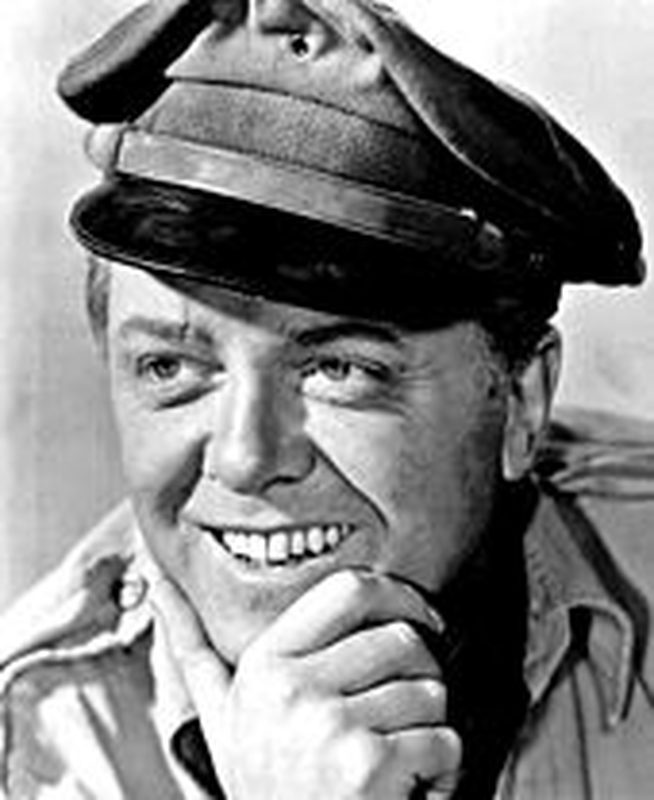
Dwight Eisenhower emerged with great credit from World War II as a result of his leadership. He was the Supreme Commander of all Allied forces in Europe and oversaw the D-Day landings, the Battle of the Bulge and the advance in Germany. After the war, he remained in Germany as commander of the US zone of occupation. Crucial to his success was his ability to manage the egos of highly talented but temperamental generals such as Montgomery and Patton and reach consensus between the different forces that comprised the Allies. He was held in such high regard that both Democrats and Republicans both attempted to persuade to be a presidential candidate. In 1952, he was declared the Republican Presidential Nominee and soundly defeated Democratic candidate Adlai Stevenson to bring twenty years of Democratic dominance in the White House to an end.
Eisenhower's "New Republicanism"
Eisenhower was largely hands-off in his domestic policies and was not the radical opponent of the New Deal that many in his party hoped he would be. Instead, he chose to plot a "middle road" between maintaining popular New Deal programs but preventing the further spread of government intervention. He warned fellow Republicans that "...any party [that] attempts to abolish social security, unemployment insurance and eliminate labor laws and farm programs...would not [be heard] of...again in our political history."
While slowing down the pace of New Deal programs, he placed emphasis on the importance of government protecting individual freedoms, ensuring a free market and providing help to the poor, elderly and unemployed when required. As during his time as Supreme Commander of Allied forces in Europe, Eisenhower's success relied upon his ability to forge consensus- in this case successfully creating a coalition of support from the middle classes and business interests. Inherent to this approach was moderate, measured and gradual policy-making. Any changes would be modest and introduced incrementally.
While slowing down the pace of New Deal programs, he placed emphasis on the importance of government protecting individual freedoms, ensuring a free market and providing help to the poor, elderly and unemployed when required. As during his time as Supreme Commander of Allied forces in Europe, Eisenhower's success relied upon his ability to forge consensus- in this case successfully creating a coalition of support from the middle classes and business interests. Inherent to this approach was moderate, measured and gradual policy-making. Any changes would be modest and introduced incrementally.
Economic performance under Eisenhower
Economic growth during the period of 1946 and 1960 was unprecedented as GDP more than doubled. By 1960, it is estimated that 60% of Americans enjoyed a government-defined middle class standard of living while poverty rates declined. What marked the Eisenhower era different from Truman was the low levels of inflation, which remained at around 2% per year. This was caused by a series of mild recessions which slowed down the pace of growth but average family income still increased by 45% during the 8 years of his presidency.
Although it is fair to say that Eisenhower was fortunate to serve in a favorable economic climate, his government made significant contributions to the USA's economic development. As part of his pro-business approach, he endeavored to balance the budget and investing in infrastructure. There were two hugely important infrastructure legacies bequeathed by the Eisenhower administration: the 1956 Federal-Aid Highway Act and a joint venture with the Canadian government to build the St. Lawrence Seaway. The Federal-Aid Highway Act was a massive publics work project that created the largest highway system in the world that vastly improved transportation times and was key in spurring regional development. The St. Lawrence Seaway was a series of locks and canals that allowed ships to sail from the Great Lakes to the Atlantic.
Despite this economic progress, poverty rates were still high at 22% (the current poverty rate in the USA is 16%, although this has increased from 13% since the 2008 credit crunch).
Although it is fair to say that Eisenhower was fortunate to serve in a favorable economic climate, his government made significant contributions to the USA's economic development. As part of his pro-business approach, he endeavored to balance the budget and investing in infrastructure. There were two hugely important infrastructure legacies bequeathed by the Eisenhower administration: the 1956 Federal-Aid Highway Act and a joint venture with the Canadian government to build the St. Lawrence Seaway. The Federal-Aid Highway Act was a massive publics work project that created the largest highway system in the world that vastly improved transportation times and was key in spurring regional development. The St. Lawrence Seaway was a series of locks and canals that allowed ships to sail from the Great Lakes to the Atlantic.
Despite this economic progress, poverty rates were still high at 22% (the current poverty rate in the USA is 16%, although this has increased from 13% since the 2008 credit crunch).
Eisenhower and Civil Rights
|
|
In keeping with the rest of his domestic policies, Eisenhower moved slowly on civil rights and was content to allow the courts to advance the rights of African-Americans. The momentous 1954 Supreme Court decision in Brown vs. Board of Education paved the way for desegregation by supporting the 14th Amendment and overturning the precedent set in Plessy vs. Ferguson. The Chief Justice who presided over the decision was Eisenhower appointee Earl Warren, who was initially nominated under the assumption he was a moderate conservative but who instead turned out to be a liberal activist. Warren interpreted the role of the Supreme Court as protecting individual right against a powerful state and delivering social justice and the decision reached created a big problem for Eisenhower. In effect, he failed to back up the court's decision by imposing a federal law on desegregation (continuing to favor his gradualist approach), so many states simply ignored Brown vs. Board of Education.
|
Leadership on issue of Civil Rights came from outside of the White House, whether it was from Martin Luther King jr. (as in the case of the Montgomery Bus Boycott of 1955) or Lyndon Johnson (who was influential in guiding the admittedly weak Civil Rights Act of 1957 through congress). However, one incident forced Eisenhower to intervene on this issue. In 1957, nine African-American students were prevented from enrolling at the Central High School in Little Rock, Arkansas by an angry mob. When state officials refused to act, Eisenhower called in the army to escort the students to school and remained stationed there until 1958. Finally, Eisenhower showed that he would not allow such outright defiance of the Supreme Court to exist. However, when he left office, only 2% of African American students attended desegregated schools in the Deep South.
Eisenhower: an evaluation
|
Many historians have argued that Eisenhower's approach, although far from dynamic, was right for the 1950's. It was certainly popular- his approval ratings were consistently high at 70%. He made vital additions to infrastructure that helped to sustain an economic boom that began after World War II and significantly, legitimized the New Deal by refusing to dismantle it, and in some cases, even extending the reach of popular programs. After Eisenhower left office, it was now clear to many Americans that the continuation of the New Deal did not rely upon having a Democratic President. However, he is often criticized for his failure to provide moral leadership on African-American civil rights.
|
|